
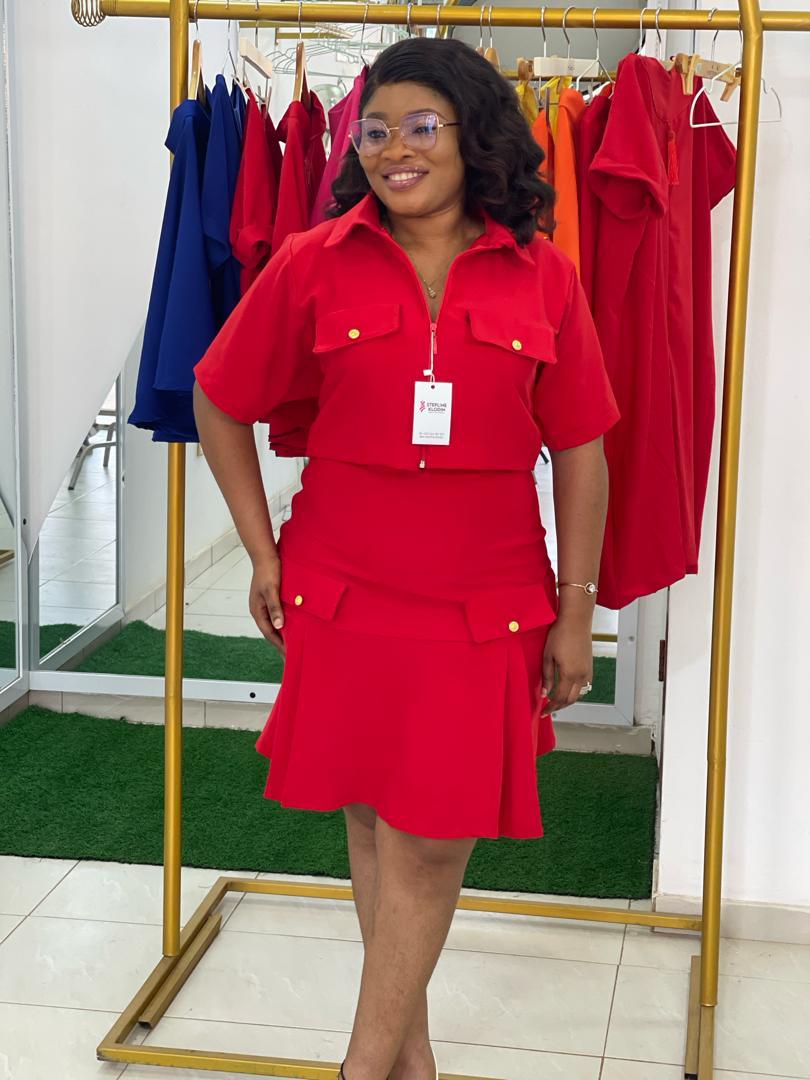
From Small Beginnings to Structured Brand: The Making of Selina Brampah
In the competitive world of African fashion, few founders combine resilience, discipline, and brand clarity the way Selina Brampah has.
As CEO of Stepline, a Ghana-based fashion brand steadily gaining continental attention, Selina Brampah did not start with massive capital, global investors, or celebrity endorsements. She started with something far more powerful — clarity of vision.
Ghana’s fashion industry is vibrant but crowded. From traditional Kente artistry to modern Afro-urban streetwear, competition is intense. For many young designers, the dream ends where funding, production consistency, and market structure begin.
Selina refused to let that happen.
Instead of rushing into expansion, she focused on building systems: quality control, brand positioning, supply consistency, and customer trust. That foundation became Stepline’s silent competitive advantage.
Where many fashion startups collapse under poor structure, Stepline matured through strategic discipline.
2. Turning Culture into Commerce
African fashion has global demand — but monetizing it sustainably is another challenge entirely.
Selina Brampah understood early that fashion is not just about clothing. It is about identity, confidence, and narrative.
Stepline positioned itself not merely as a clothing brand, but as a cultural statement — modern African elegance with global appeal.
Rather than copying Western silhouettes, Stepline refined African aesthetics into contemporary fashion that speaks to both local pride and international standards.
This balance gave the brand a strong identity:
-
African-rooted
-
Globally wearable
-
Professionally presented
That positioning is what separates brands that trend temporarily from brands that endure.
3. The Business Mind Behind the Brand
Many fashion founders are creatives first and business managers second.
Selina Brampah is different.
Her leadership style reflects structured entrepreneurship. She treats Stepline as a business enterprise — not a hobby, not an Instagram brand, not a seasonal project.
She invested in:
-
Brand consistency
-
Production reliability
-
Strategic marketing
-
Digital visibility
-
Partnerships and collaborations
In Ghana’s evolving retail environment, where online visibility now determines survival, Selina pushed Stepline toward stronger digital presence and structured growth planning.
She recognized early that fashion brands without digital infrastructure struggle to scale beyond physical foot traffic.
That decision placed Stepline ahead of many competitors.
4. Navigating the Realities of Building in Ghana
Building a fashion brand in Africa comes with unique challenges:
-
Inconsistent supply chains
-
Fabric sourcing difficulties
-
Production delays
-
Capital constraints
-
Market pricing sensitivity
Selina faced them all.
But instead of allowing these challenges to stall growth, she optimized around them.
She developed local partnerships.
She built relationships with skilled tailors and artisans.
She refined cost management.
She focused on sustainable scaling instead of reckless expansion.
That patience strengthened Stepline’s foundation.
Many startups chase speed.
Selina prioritized sustainability.
That distinction matters.
5. Women Leadership in African Fashion
Selina Brampah’s story is also significant because it represents a new generation of African female CEOs.
Across Ghana and the continent, women are increasingly leading businesses — not as figureheads, but as strategic drivers.
Selina embodies:
-
Executive presence
-
Creative authority
-
Strategic discipline
-
Cultural intelligence
Her leadership demonstrates that African fashion brands do not need foreign validation to achieve global standards.
They need structure, confidence, and consistency.
Stepline reflects all three.
6. Scaling Beyond Ghana: The Continental Vision
Selina’s ambition does not stop at Ghana.
Stepline is positioning itself for broader African recognition — and potentially global export opportunities.
With rising global interest in African fashion, diaspora markets in Europe, North America, and beyond are increasingly seeking authentic African brands with professional presentation.
Selina understands that to compete internationally, Stepline must:
-
Maintain production quality
-
Build strong brand storytelling
-
Optimize digital commerce
-
Strengthen logistics partnerships
The vision is clear: Stepline is not just a local boutique label. It is being structured as a scalable African fashion enterprise.
That long-term thinking separates lifestyle brands from legacy brands.
7. The Strategic Evolution of Stepline
As the brand matured, Stepline evolved beyond simply producing garments.
It became:
-
A fashion identity
-
A cultural ambassador
-
A platform for creative expression
-
A structured fashion business ecosystem
Under Selina’s leadership, Stepline is gradually positioning itself as a recognizable African fashion name — not through noise, but through consistency.
Consistency builds trust.
Trust builds longevity.
Longevity builds legacy.
Selina Brampah is clearly thinking in decades — not seasons.
8. The Founder’s Mindset: Discipline Over Hype
In today’s startup culture, hype often replaces substance.
Selina Brampah’s approach is different.
Her journey reflects:
-
Quiet execution
-
Measured growth
-
Professional branding
-
Long-term strategic thinking
She understands that true fashion empires are built on operational excellence, not viral moments.
This mindset gives Stepline a competitive advantage in a market where many brands fade after their first wave of attention.
9. Building an African Fashion Legacy
African fashion is entering a new era.
The next generation of brands will not simply sell clothes. They will build institutions.
Selina Brampah’s trajectory suggests she understands this deeply.
Stepline’s future could include:
-
Training initiatives
-
Fashion education
-
Cross-border collaborations
-
International showcases
-
Strategic retail partnerships
If properly scaled, Stepline could become one of the brands redefining Ghana’s contribution to global fashion.
And that would place Selina among the serious architects of Africa’s creative economy.
10. The Road Ahead
Every startup story is still being written.
Selina Brampah’s journey with Stepline is not a finished chapter — it is an unfolding narrative.
What stands out most is not glamour, not trends, not aesthetics — but structure.
Structure is what allows vision to survive pressure.
Structure is what transforms talent into enterprise.
Structure is what builds empires.
If Stepline continues on its current path — strengthening systems, refining brand identity, and expanding strategically — it will not just compete locally.
It will stand confidently on the continental stage.
And when that happens, Selina Brampah’s name will not simply be known as a fashion entrepreneur in Ghana.
She will be recognized as one of the women shaping the future of African fashion business.
Story by: Showadsafrica